Press Kit

Resources for event organizers, podcast hosts, webinar teams, media contacts, and partners.

Dan Leiva speaks and writes about AI governance, accountability architecture, customer experience, operating model design, and scaling human judgment in an AI world.

Contact for Media or Speaking Inquiries

Bios

Ready-to-use bios for any format.

Short Bio

Dan Leiva is the founder of CXAmplify and author of AMPLIFIED: The Operator's Playbook for Scaling Human Potential in an AI World, a #1 Amazon Best Seller in Automation Engineering and Pattern Recognition.

Dan Leiva is the founder of CXAmplify and author of AMPLIFIED: The Operator's Playbook for Scaling Human Potential in an AI World, a #1 Amazon Best Seller in Automation Engineering and Pattern Recognition.

He is a senior customer experience and technology operator with 25 years of leadership experience across Apple, Intuit, eBay, Travelers, and other enterprise environments.

His work focuses on AI governance, accountability, operating model design, human judgment, and customer experience at scale.

Medium Bio

Dan Leiva is the founder of CXAmplify, a consulting, advisory, and speaking platform focused on AI governance, operating model design, customer experience, and leadership accountability.

He is the author of AMPLIFIED: The Operator's Playbook for Scaling Human Potential in an AI World, a #1 Amazon Best Seller in Automation Engineering and Pattern Recognition.

Dan brings 25 years of operating experience across Apple, Intuit, eBay, Travelers, and other enterprise environments. He has led large-scale organizations across product management, engineering, technology operations, customer service, digital help, live help, CRM, payment operations, and marketing technology.

His work helps leaders clarify decision rights, accountability, human judgment, and customer experience as AI becomes part of how work gets done.

Photos

Approved images for editorial use.

    Dan Leiva, founder of CXAmplify and AI governance keynote speaker

Dan Leiva - Headshot

High-resolution headshot. Approved for editorial, podcast, and event use.

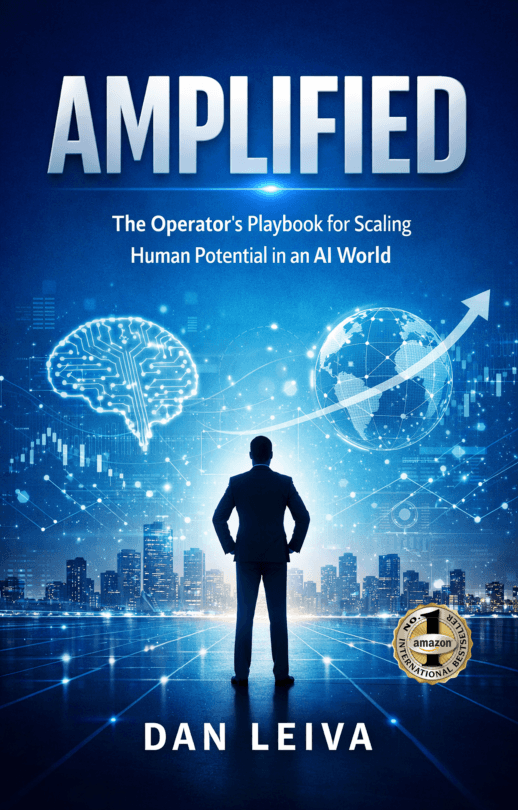
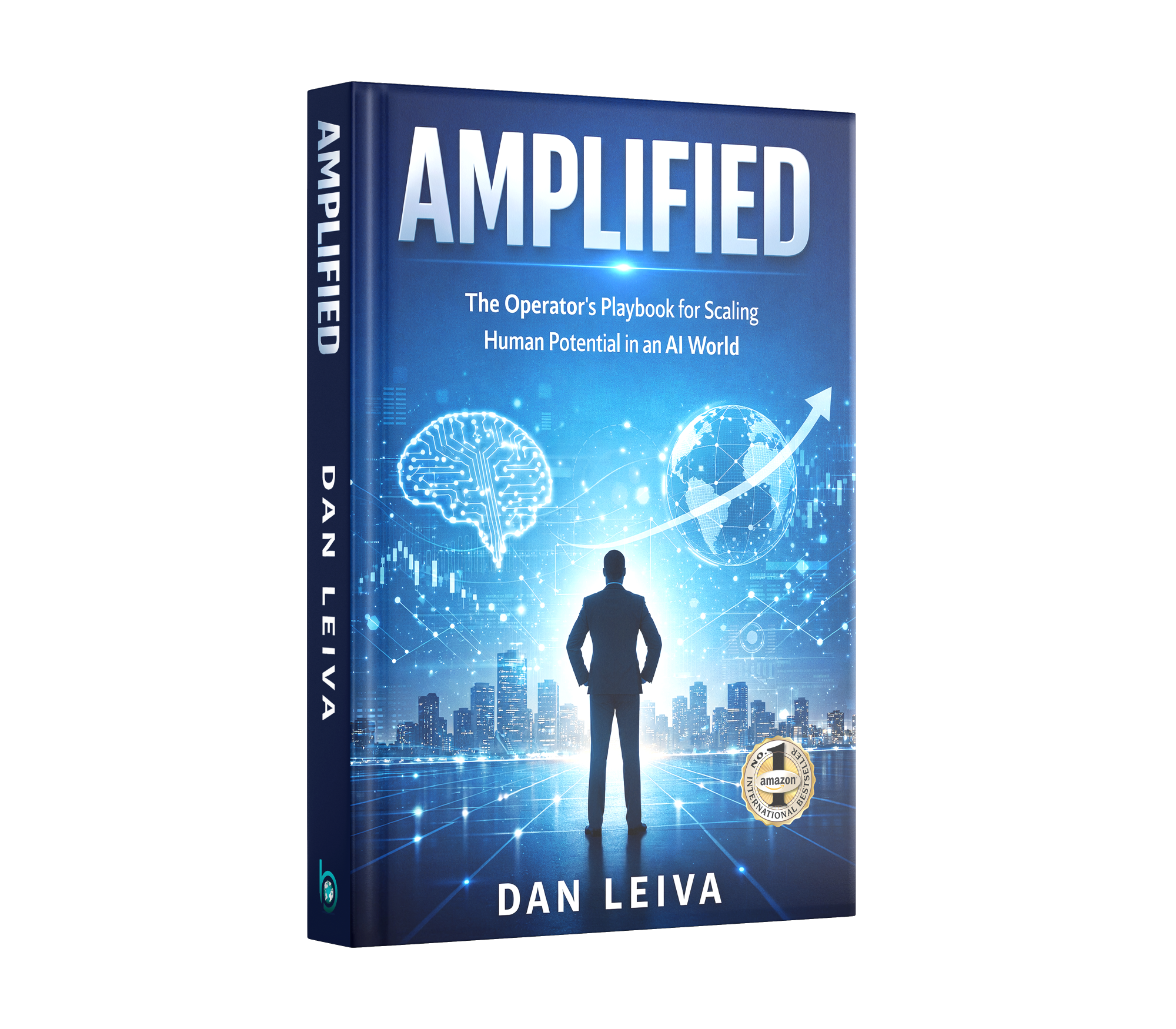
    AMPLIFIED by Dan Leiva, an operator’s playbook for AI leadership

AMPLIFIED - Book Cover

Book cover for editorial, press, and promotional use.

Book cover for editorial, press, and promotional use.

Speaking Topics

Approved topic list for event programs and introductions.

AI Governance Is an Operating Model Problem

The Efficiency Trap

Decision Boundaries for Agentic AI

AMPLIFIED Leadership

Customer Experience in an AI-Enabled Operating Model

Human Judgment, Trust, and Accountability

Interview Preparation

Suggested interview questions.

For podcast hosts, webinar producers, and media contacts. These questions are starting points.

Feel free to adapt them to your audience.

What do most executives misunderstand about AI adoption?

Most executives treat AI adoption as a tool deployment problem. The real challenge is an operating model problem. When AI changes who decides and who owns outcomes, the organization needs to redesign accountability, not just the tech stack.

What do most executives misunderstand about AI adoption?

Most executives treat AI adoption as a tool deployment problem. The real challenge is an operating model problem. When AI changes who decides and who owns outcomes, the organization needs to redesign accountability, not just the tech stack.

Why do you say AI governance is an operating model problem?

Governance policies without decision rights are theoretical. Real governance requires named ownership, clear escalation paths, and human authority embedded in how work actually flows, not just written in a document.

Why do you say AI governance is an operating model problem?

Governance policies without decision rights are theoretical. Real governance requires named ownership, clear escalation paths, and human authority embedded in how work actually flows, not just written in a document.

What is the Efficiency Trap?

The Efficiency Trap happens when automation improves the metrics leaders track while degrading the experience customers actually have. The dashboard looks better. Trust, escalation quality, and customer confidence quietly decline.

What is the Efficiency Trap?

The Efficiency Trap happens when automation improves the metrics leaders track while degrading the experience customers actually have. The dashboard looks better. Trust, escalation quality, and customer confidence quietly decline.

How should leaders decide where AI can act autonomously?

The Decision Boundary model in AMPLIFIED gives leaders a practical way to classify decisions: where AI acts autonomously, where AI recommends and humans decide, and where humans own the outcome entirely. The key is making that classification explicit before deployment, not after something goes wrong.

How should leaders decide where AI can act autonomously?

The Decision Boundary model in AMPLIFIED gives leaders a practical way to classify decisions: where AI acts autonomously, where AI recommends and humans decide, and where humans own the outcome entirely. The key is making that classification explicit before deployment, not after something goes wrong.

What does human-in-the-loop get wrong in many organizations?

Human-in-the-loop is often implemented as a checkbox, not a genuine authority point. If the human is expected to approve a decision in three seconds with no real ability to override, that is not human-in-the-loop. That is cognitive burden assigned to a person with no real power.

What does human-in-the-loop get wrong in many organizations?

Human-in-the-loop is often implemented as a checkbox, not a genuine authority point. If the human is expected to approve a decision in three seconds with no real ability to override, that is not human-in-the-loop. That is cognitive burden assigned to a person with no real power.

How does AI change customer experience?

AI changes who makes decisions that shape the customer experience. When those decision points are not governed well, the experience degrades in ways that are hard to diagnose. Customers experience the output of operating model decisions, not just product decisions.

How does AI change customer experience?

AI changes who makes decisions that shape the customer experience. When those decision points are not governed well, the experience degrades in ways that are hard to diagnose. Customers experience the output of operating model decisions, not just product decisions.

What are Key Human Indicators?

Key Human Indicators are the operating measures that track trust, agency, judgment quality, and escalation health. The things that predict customer and team outcomes before they show up in traditional performance metrics. Cost and efficiency are necessary but not sufficient.

What are Key Human Indicators?

Key Human Indicators are the operating measures that track trust, agency, judgment quality, and escalation health. The things that predict customer and team outcomes before they show up in traditional performance metrics. Cost and efficiency are necessary but not sufficient.

Why did you write AMPLIFIED?

After 25 years operating large organizations through major technology shifts, I saw the same pattern emerging with AI: the technology moves faster than the operating model, accountability diffuses, and trust erodes before anyone can name what happened. AMPLIFIED is the playbook I wished existed when I was running those organizations.

Why did you write AMPLIFIED?

After 25 years operating large organizations through major technology shifts, I saw the same pattern emerging with AI: the technology moves faster than the operating model, accountability diffuses, and trust erodes before anyone can name what happened. AMPLIFIED is the playbook I wished existed when I was running those organizations.

What should leaders do in the next 90 days if AI is already inside their workflows?

Start by naming who owns each AI-touched decision. Not who approves the tool. Who owns the outcome when the tool is wrong. From there, you can start building the governance model, the escalation design, and the measurement framework. Ownership first. Everything else follows.

What should leaders do in the next 90 days if AI is already inside their workflows?

Start by naming who owns each AI-touched decision. Not who approves the tool. Who owns the outcome when the tool is wrong. From there, you can start building the governance model, the escalation design, and the measurement framework. Ownership first. Everything else follows.

Media Assets

Everything you need in one place.

Contact Info@cxamplify.com for high-resolution files, custom formats, or additional assets.

High-Resolution Headshot

PNG, print and web ready

Executive Bio

Plain text, full biography

Book Cover

PNG, editorial use approved

Book One-Sheet

PDF, summary and details

Need something not listed here?

Reach out directly for custom assets, interview scheduling, or additional resources.

Contact for Media Inquiries

AI changed the work. The operating model needs to change with it.

For speaking, advisory, consulting, media, or AMPLIFIED leadership sessions, start a conversation with Dan.